In October 2024, as part of their coverage of Garden Day, INX Prime interviewed Salaam Foundation director, Azhar Vadi about the progress of the Farm In the City project.
The Covid pandemic had a destructive effect on the South African economy. It is during that time that the Salaam Foundation team looked at moving towards sustainability projects in helping the most vulnerable. The idea of Farm in the City was born and very soon thereafter a farming project followed where Salaam Foundation’s office space which featured a piece of barren land was turned it into a flourishing farm in the heart of Robertsham, Johannesburg with the intent of providing wholesome, healthy produce for those most in need.
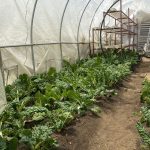
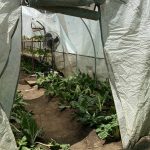
Within a four-month period, the Salaam Foundation team managed to turn the 850m2 piece of land into a functional, productive farm. The Farm in the City is home to six greenhouse tunnels which are 12 metres long, a farm stall and a garden around the premises. A borehole that has been dug meets the water requirements needed to bring life to the plants.

During the interview, Vadi explained that Salaam Foundation has been involved in humanitarian aid projects all around the world – assisting people in various ways. One of the key aspects of Salaam Foundation’s work is around hunger alleviation and tackling the poverty of the stomach.
During the pandemic, they saw it become a reality on a much larger scale in South Africa. People who were previously food secure to a certain extent lost their jobs and found themselves with an income and in need of food immediately. Salaam Foundation managed to reach several families across South Africa with food parcels.
However, they realised that a huge amount of money was being spent by charitable organisations on food parcels every year. So Vadi said they wanted to look at something a little more sustainable and that is where the idea came about of planting and putting something into the ground. They had to look for somewhere to place the garden and settled on their little office space in Robertsham.
“So we said let’s do it right here and make it an example.”
The farm started with the planting of one tray of radish seedlings which according to Vadi are the easiest things to grow. They sprouted in a couple of days and then the farm had its first produce of radish.
“This would go into someone’s food parcel and they would have radish.”
Since then the farm has grown a lot and now produces a number of different produce from spinach, kale, beetroot, beans, tomatoes, and some other vegetables. Vadi explained how the vegetables make such a huge difference. “If you look at what comes in a normal food pack, there’s a lot of carbohydrates and fatty oils. It’s not the most healthy of food packages. The garden is now complementing that diet that a person has been receiving all these years. It gives them added nutritional value to their system.”
All the vegetables from the farm are organic with no pesticides and can be considered some of the higher quality vegetables that you’ll find.
The farm is frequented by people from the surrounding community. Those who can afford it come to buy and support Salaam Foundation. Then there are also people walking in on a regular basis, saying “we don’t have anything – can you assist us with something”. They leave from there with a nice healthy bunch of vegetables.
The main thing of an urban farm is having a committed person to build the farm around. It’s a year-round job that requires a lot of commitment. The project has been expanded to several areas including Mountain View which is near Grasmere. It feeds the children who attend the madrassah at the musalla where the urban farm is situated.
In total, Salaam Foundation manages to distribute almost 10 000 meals monthly.
“We need the community and without their support we wouldn’t really be going anywhere”
To support this food programme you can donate to:
Salaam Foundation
FNB 62669147665
Branch: 250 737
Ref: Farm + name