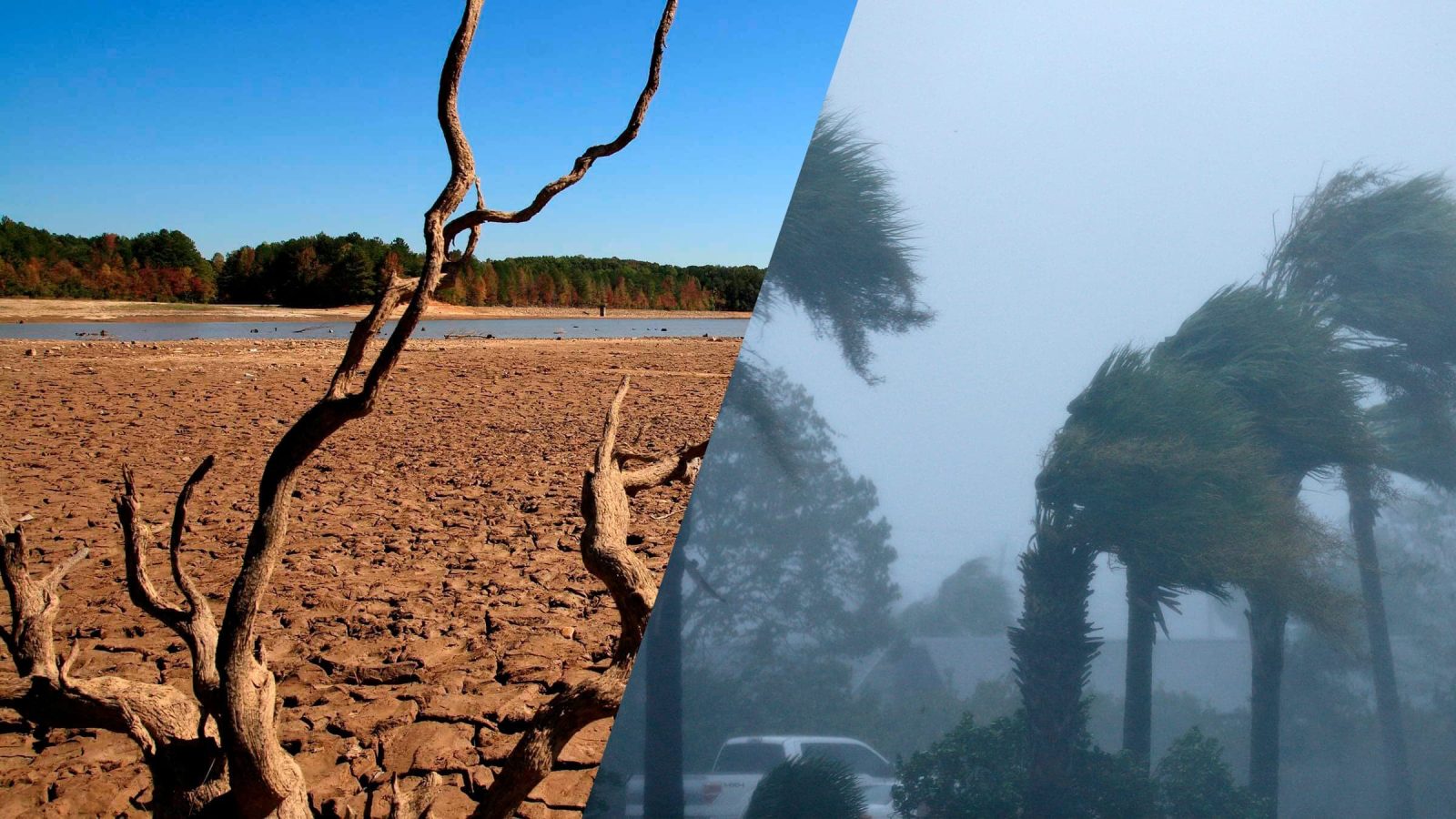
Shifting rainfall patterns caused by El Niño has led to extreme drought and other extreme weather conditions in Sub-Saharan Africa. El Niño might have ended with the appearance of La Niña which brings more wetter conditions but the impact is still being felt.
El Niño and La Niña, explained
El Niño and La Niña are two oceanic weather phenomena which are naturally occurring. They occur in cycles every two to three years. However, since 2019, there has been an unprecedented occurrence of El Niño conditions which is causing temperatures around the world to rise to record levels.
For a more in-depth explanation, check out this explainer.
The El Niño Southern Oscillation, or ENS moves between warm, neutral and cool phases roughly every two to seven years, inducing changes in the ocean and in the atmosphere. However, the climate crisis has prompted many naturally atmospheric and climate conditions to change the way they occur causing difficult conditions for many. There still isn’t enough evidence to show how human activity will affect these cycles but scientists are working to figure out patterns.
La Niña, which began in Southern Africa during the second part of the year and is expected to bring heavy rains and cooler conditions from December 2024 to August 2025, will mainly lead to an increase in extreme weather events. The shift from the drier conditions brought about by El Niño to La Niña which brings with it wetter conditions is unlikely to improve the situation of many in Sub-Saharan Africa.
Researchers found that February 2024 was the driest February in the 40-year data record for an area spanning much of Zambia, Zimbabwe, southeastern Angola, and northern Botswana.
‘The climate crisis is a crisis for children in the region. As volatile climate patterns lead to drought and floods, climate change is a real and daily threat. With loss of livelihoods and additional burdens on families, children are at risk of abuse, displacement, hunger, and diseases such as cholera. Drought and floods also have a ripple effect on access to education, leaving children vulnerable to child labor and child marriage. Alongside immediate life-saving aid, sustained and flexible support from donors, including joint investments and innovative financing in climate prevention and preparedness will be vital in saving lives and strengthening the resilience of children repeatedly hit by climate emergencies,”
“El Niño might be ending, but its impacts are far from over […] Farmers in the hardest-hit countries have lost, on average, at least half their crops due to this drought, with the next harvest not expected until April 2025. We must act urgently to address the immediate food needs of the worst-affected communities and equip farming households to prepare for the next planting season. Swift action is essential to mitigate the ongoing crisis and build resilience for the future.”
- Adeyinka Badejo, Deputy Regional Director for the World Food Programme in Southern Africa
Malawi, an example
In a previous article, Salaam Foundation looked at how water wells play an important role in helping the people in Malawi who are suffering from the effects of the drier, drought conditions. Many communities in Malawi, especially those in rural areas, are facing food insecurity as a result of failing and damaged crops. The damaged crops means that food production is affected, pushing up the price of food, in particular essentials which are needed. This means that people who are already economically vulnerable are further affected. It is not only the crops which are affected but also the livestock. Thousands of cattle and other livestock die in those conditions and millions of livestock are under risk from drought conditions and the lack of food and water. The drought conditions cause many water sources to dry up which reduces access to safe water sources. This leads to an increase in diseases. In general, these climate conditions increase unsafety for these communities.
Water wells are just one of the ways communities can be assisted in these difficult conditions which are set to worsen.
Read More:
#Malawi: Another water well opened to help communities in need
#Malawi: Another water well opened to help communities in need
Drought conditions continue to persist and even the possible appearance of wetter conditions will not ease the food insecurity, affected food production and damage to crops which has occurred. The combination of drought and flood is actually going to worsen things for farmers and the people most reliant on the crops and who are the most vulnerable.
What needs to be done
The only way to help all those affected is for immediate interventions from governments and other actors to put in early warning systems and build climate-resilient systems. However, these interventions are easy to speak about in connection with countries who have the resources. For most countries in Sub-Saharan Africa, it is a struggle to survive day-by-day and there is no room to even consider future interventions. There needs to be proactive work to create food systems which are resilient to climate change through direct interventions and educating people.
Check out the work being done at Salaam Foundation’s Farm in the City for more on the work being done around sustainable farming.