The tiny Himalayan region of Nepal is an extremely water insecure country. The country enjoys a unique geographical position, situated amongst some of the highest mountains in the world with access to the third-largest freshwater reserve on the planet via the Himalayas. However, only 25% of the population has access to a full functional drinking water supply according to Action Contre la Faim.
Floods wreaked havoc in Nepal, exacerbated by poor infrastructure
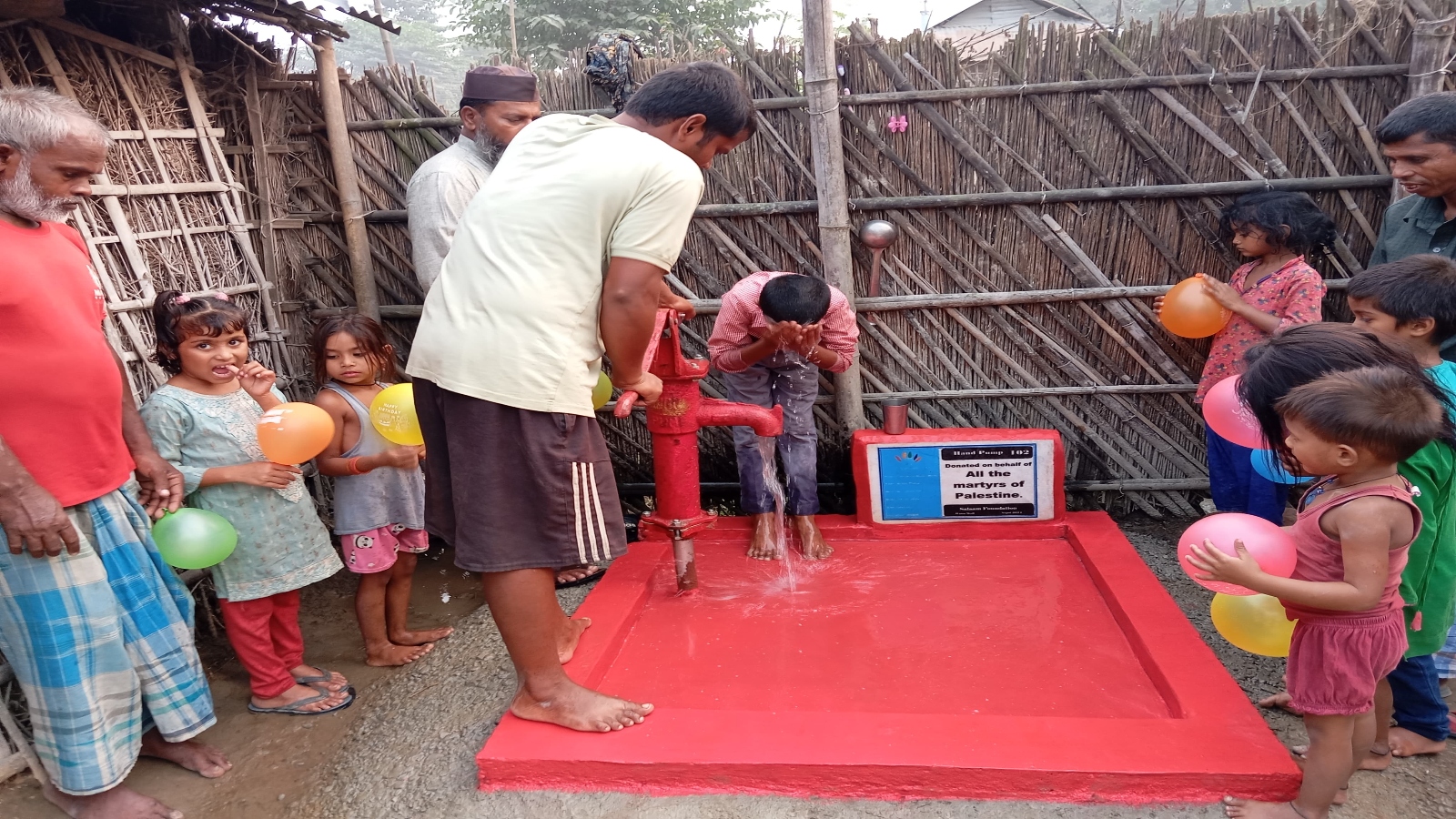
Water pumps being installed play an important role in providing access to clean, drinking communities who find themselves far away from water infrastructure. These water pumps which are installed allow families and communities to have access to their own water supply without having to rely on others or travel far distances to get water.
Recently, as part of their opening project in Nepal, Salaam Foundation has sponsored three water wells with hand pumps as means of ongoing reward for all the Palestinian martyrs. The community was involved in the process of putting up the water pumps from the beginning to the completion of the projects. The wells represent a sustainable and high-quality water source, guaranteeing enduring and dependable clean water for the most vulnerable people.
If you would like to support the work in Nepal, donate here:
Salaam Foundation
FNB 6266 914 7665
Branch 250 737
Ref: Nep + your name
and contact az@salaamfoundation.com
A water well with a hand pump costs R5000.
According to Unicef, 10.8 million people in Nepal do not have access to improved sanitation, and 3.5 million do not have access to basic water services”. There has been progress made but it is not nearly enough.
The lack of access to clean drinking water has a huge impact on the population, especially the most vulnerable in terms of diseases. The climate crisis has exacerbated these vulnerabilities. The unpredictable weather variations in rainfall and prolonged droughts is affecting the availability and quality of water. During the drought season, the lack of water means plants cannot be saved and people do not have water. During the rainy season, the rivers are flooded and important infrastructure gets destroyed.
Another impact of the climate crisis is the warming temperatures over the last three decades which have caused the glacier area in Nepal to decrease by 25%. Even in the optimistic scenarios of the 1.5-degree world, one third of the glacier ice would be gone in the Himalayan region. This will initially cause an increase in melt runoff or ‘peak flows’ in the coming decades. Once the peak flows end, this will cause a decreased glacier flow which will negatively impact downstream communities that rely on glacier meltwater.
In September, the country was struck by torrential rainfall which caused excessive flooding. The flooding destroyed a lot of the infrastructure including bridges, highways, hydropower stations, telecommunication stations, and water and power infrastructure. Poor and vulnerable communities living alongside riverbanks in informal settlements were the worst affected. A lot of the damage was caused and worsened by the poor infrastructure. The damage caused to the infrastructure means the water issues the country faces has increased.
A lot of the country is difficult to access and the flooding worsened those problems. Providing that important access to clean drinking water to communities is an extremely difficult task. Those who live far away from the water infrastructure have to travel long distances to access safe water sources, compromising their health and access to other basic services.
For the tiny region of Nepal, the worsening effects of climate change and the climate crisis is going to be felt most acutely in the water sector with the International Water Management Institute (IWAM) calling the “climate crisis fundamentally a water crisis, as changes in precipitation and temperatures will primarily affect water availability and quality”.
The water situation in Nepal is already dire. Any further changes will impact food and nutrition security, energy security, biodiversity conservation, health, disaster risk reduction and poverty alleviation. The country needs to make immediate intervention to ensure the crisis does not reach the point of no return.